Anti-Document Leakage Bill 2026: Lok Sabha debate reaches deadlock, what are its proposals
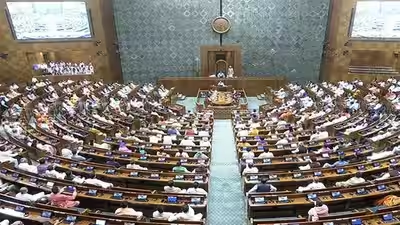
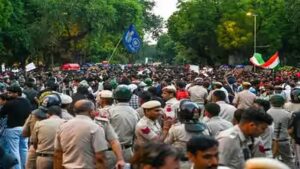
The federal government introduced the Public Examinations (Prevention of Unfair Means) Amendment Bill 2026 in the Lok Sabha on Monday, July 27, 2026, proposing tougher penalties for leakage of question papers. federal minister Jitendra Singh The bill was introduced to amend the two-year-old Public Examinations (Prevention of Unfair Practices) Act.The bill comes on the heels of an uproar over a student-led thesis leak that led to student resignations. Dharmendra Pradhan. According to the text of the bill, the stated aim of the government is to prevent individuals, organized groups and institutions from resorting to unfair means that affect the sanctity of public examinations.However, although the Speaker of the Lok Sabha mbira Six hours were provided to discuss the bill, but there was no debate on Monday. The House of Representatives was adjourned amid protests by the opposition demanding a statement from the government over the use of police force against protesters in Delhi during a parliamentary march on July 20.
bill proposal
The amendment significantly increases the penalties for those convicted under the Act.
- The maximum term of imprisonment for an individual was increased from five years to ten years.
- The fine for individual offenders has been increased from Rs 10 lakh to Rs 50 lakh.
- Directors, senior managers and officials found to have conspired to leak confidential documents now face prison terms increased from three years to five years.
- For organized crime, the maximum jail term has been increased from five to seven years and the fine has been increased from Rs 10 million to Rs 100 million.
Task force and investigation timeline
The bill allows the federal government to refer any document leak to a central investigative agency. It also retains the government’s autonomy to form an independent task force to investigate such crimes. To ensure timely action, the bill provides for a two-month deadline for completion of the investigation.
special fast track court
The amendment proposes setting up special fast-track courts in states and union territories to speed up judgments. These courts must hold hearings every day and complete trials within three months of the filing of charge sheets.To support prompt prosecution, the bill requires the state and federal governments to appoint one or more special prosecutors. It also proposes an appeal mechanism whereby two High Court judges will hear appeals against fast-track court decisions. Appeals must be filed within 30 days of judgment and processed within three months of the date of admission. The bill provides that delay beyond 90 days will only be allowed if the High Court is satisfied with the reasons provided.
Amendments and adjournments
Speaker Om Birla noted that 91 amendments have been proposed to the bill and stressed the need for a unified approach to reform the competitive examination system in the country. However, discussion of the bill was delayed after the House of Representatives was adjourned due to opposition protests.The opposition also demonstrated outside parliament on Monday against the use of force against protesters during the July 20 march and said it would continue to hold the federal interior minister accountable for the incident.
























Post Comment