Anahat Singh: What’s the name? One word from Guru Nanak’s prayer, now a star in Indian squash More Sports News
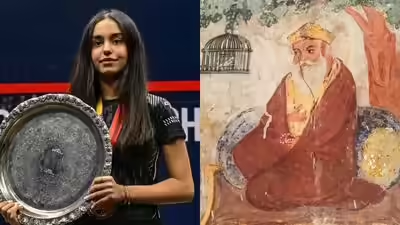
New Delhi: Aad aneel anaad anaahat jug jug ayko Vays. This sentence appears once at the end of the four consecutive sections of the Pauris 28, 29, 30 and 31 of the Jhapji Sahib composed by Guru Nanak, the founder of Sikhism, and is located in the opening composition of the Guru Granth Sahib.Translated, it roughly means: The One is original, flawless, without beginning or end, self-existent (unstriked), and the same in all times.Japji Sahib opens with Sikhism’s core scripture, the Guru Granth Sahib, a prayer that devout Sikhs recite every morning as part of their daily practice. Hidden within this refrain is the word “anaahat,” which means “unbeaten,” “undefeated,” a sound that has never been created by a collision.
CJP Jantar Mantar Protest Updates
As it happens, this is also the name of one of the most exciting young athletes in Indian sports, Anahat Singh.“My husband came up with this” Anahat’s mother Tani Vadra Singh earlier told TimesofIndia.com. “He is reading Sikhism Pray, Japji Sahib. He knew that the last line had the name Anahat in it. “On March 13, 2008, the day his daughter was born, Gurshalan Singh was reciting prayers in the ward. The word made him pause.“He said, you know, that sounds really good,” Taney recalled. “I wanted to name her that. So that’s (Anahat’s name).”There was no grand plan behind it, nor was there any plan for her sporting career, at least not at first.The Singh-Vadras are nothing short of a sports family. Tani plays hockey for the Delhi Junior and Junior teams. Gulshalan played hockey at St. Stephen’s College and hoped to play for India before the academics took over. Uncle Deepak Vadra was once one of the best table tennis players in India. Anahat’s older sister, Amira, played tennis before switching to squash, and Anahat himself started playing badminton at the age of six, following the family’s simple rule that sport was as important as school.
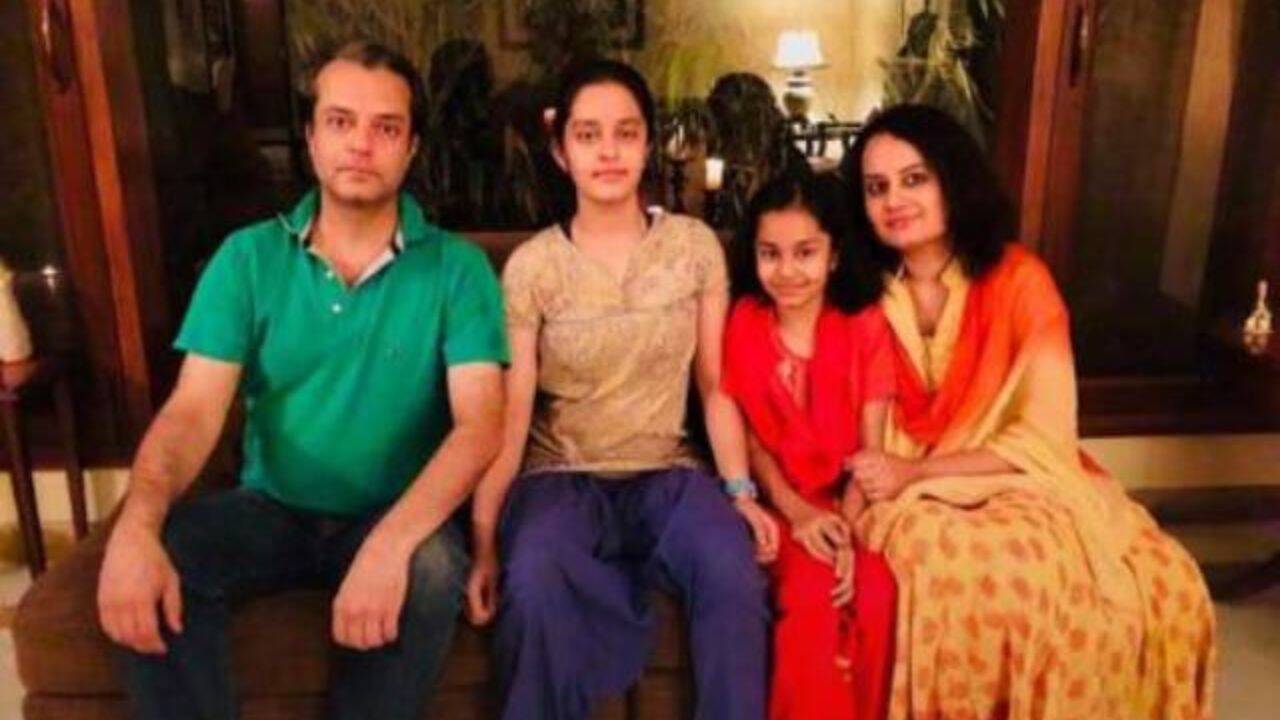
“We’ve always believed that exercise is as important as learning,” admits Taney.Next, Anahat plays squash with her sister, and the family openly admits they had no idea what they were building.“We obviously didn’t imagine this was going to happen,” Taney added. “We just play for fun.”Gulshalan, who had never played the sport himself, taught himself squash so he could work with her coach to help train her. Anahat had it easy over the years, having wanted to be an Olympic champion since she was five years old, even though she was drawing badminton, not the sport that would eventually take her to the world stage.She started getting serious when she made the Commonwealth Games squad at 13, a milestone her mother noted as the moment “fun” started sharing space with real expectations.That balance of joy and intensity has resulted in a resume that most players twice her age would envy.
Anahat, worthy of the name
Anahat represented India for the first time in the 2022 Commonwealth Games at the age of 14 and won the championship Asian Games At 16, she won a medal and was ranked in the top 20 in the world after competing in the senior category.The 18-year-old became the first Indian to win the World Junior Squash Championship in what may ultimately define her junior career, defeating Egypt’s Rukaya Salim 3-0 in the final in Niagara-on-the-Lake, Canada, on Saturday, without dropping a match throughout the tournament.She defeated two other Egyptian players on the way, and the country has held the title for sixteen consecutive years. The last non-Egyptian to win the award was American Amanda Sobhy in 2010.Also read: The bridge player once played by Sardar Vallabhbhai Patel seeks India’s ‘chess’ moment: How 17-year-old Anshul Bhatt is leading India’s renaissanceIt’s a fitting full circle. A name that rose from the prayers of Guru Nanak has risen from the rhythm of morning recitations to junior squash’s biggest stage. Anahat Singh lives up to the serenity and timelessness it represents, giving it its own new associations.





















Post Comment