Nolan: Christopher Nolan in the making of The Odyssey: Conflict is one of the most interesting and fascinating things that storytelling can do | English Movie News
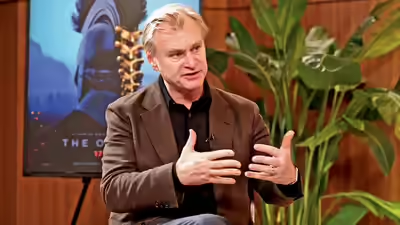
Christopher Nolan is a big fan of Earl Gray tea. Christopher Nolan was enjoying a non-Earl Gray chai with bun masha in Mumbai. Christopher Nolan’s films are so cerebral that they are translated, adapted, interpreted, and analyzed. Christopher Nolan’s film collection is often larger than that of the most famous films ever made.There are many truths to Nolan’s persona and cinema that exist simultaneously, and he has as many layers of thought as the stories he tells.And perhaps, The Odyssey is a multi-layered tale as they once said.There is something about great stories that are deep in style, ethics, wisdom and truth that transcend the barriers of time and culture. It is for this reason, perhaps, that our conversation in Mumbai with Nolan did not feel very “strange”. The emphasis he puts on the Greek concept of Xenia, of the idea that one should be honorable even to the humble beggar who comes to your door as he may be a god walking the earth in disguise, reminds one of Tulsidas” Na jaane kis vesh mein Narayan mil jaye’. In his talk on how a guest should be treated he reminds us that ‘atithi devo bhava’ existed as a sacred concept around the world before it became a way of promoting tourism. The stories of the inhabitants of the earth whose ancestors are gods, or non-humans, remind us of many characters in the Mahabharata. The sadness that Nolan’s main protagonist suffers even after making a famous victory reminds us of the name behind the symbol of the Indian state – how Asoka the Great felt after Kalinga made what he, and the country he ruled, stood for so long.“After years of war, no one would stand between my men and the house” – I hear Odysseus Saying this, it made me think of another great Greek story, but one connected to India. Alexander the Great saw Achilles as a role model. He carried the Iliad wherever he went. And about 850 years after Troy, Alexander’s army, on the border of India, rebelled and refused to go on, and said, You know, like, nobody can come between us and our country now.Therefore, the desire of the soldier to return home that transcends cultures and time, the joy that is diminishing, the contradiction of all these thoughts as cruel soldiers, and as people of thoughts who just want to return home – as a filmmaker, how do you see the psychology of such men, since they have great conflicts?I think it’s one of the eternal contradictions of humanity. Love and war, in particular, inspire drama and have inspired literature for thousands of years. I mean, the Odyssey is 3,000 years old, and I think it touches on human truth.I think that in my version, I feel that – without going to spoilers, people have not seen it – but I think that the character of Circe is given some things to say about it, and about that contradiction, which I think is very important in the whole story, because there is a contradiction of the qualities that make a good warrior.Loyalty is one of them, loyalty and obedience and courage and so on, all kinds of virtues – but the purpose of this evil end, which is to harm someone, bring death and destruction, and so on.And that contradiction, I think, is one of the most interesting and fascinating things that fiction can deal with.When I came to edit the Odyssey, I found that this contradiction underlies everything in the poem. And so, in different ways, I have tried to bring that out in the film, including the feeling of the audience’s experience and, in terms of what the audience experiences with the journey of the piece, but it is also the gravity of the horrors of war, death, destruction, all these things that are happening... But I think it’s the eternal conflict that drives the drama in the most compelling way.
‘The Odyssey is 3,000 years old, and I think it touches on human truth’
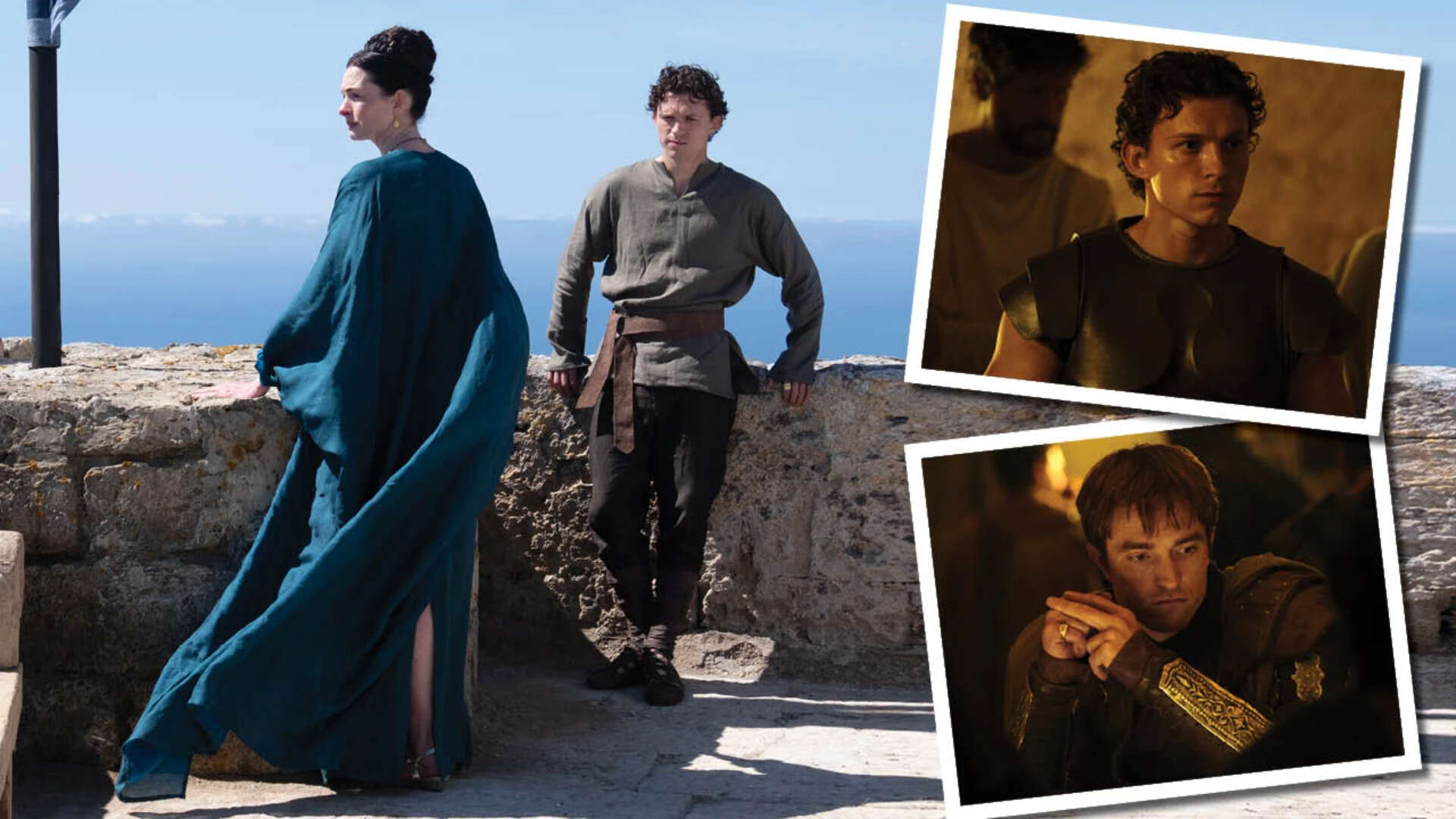
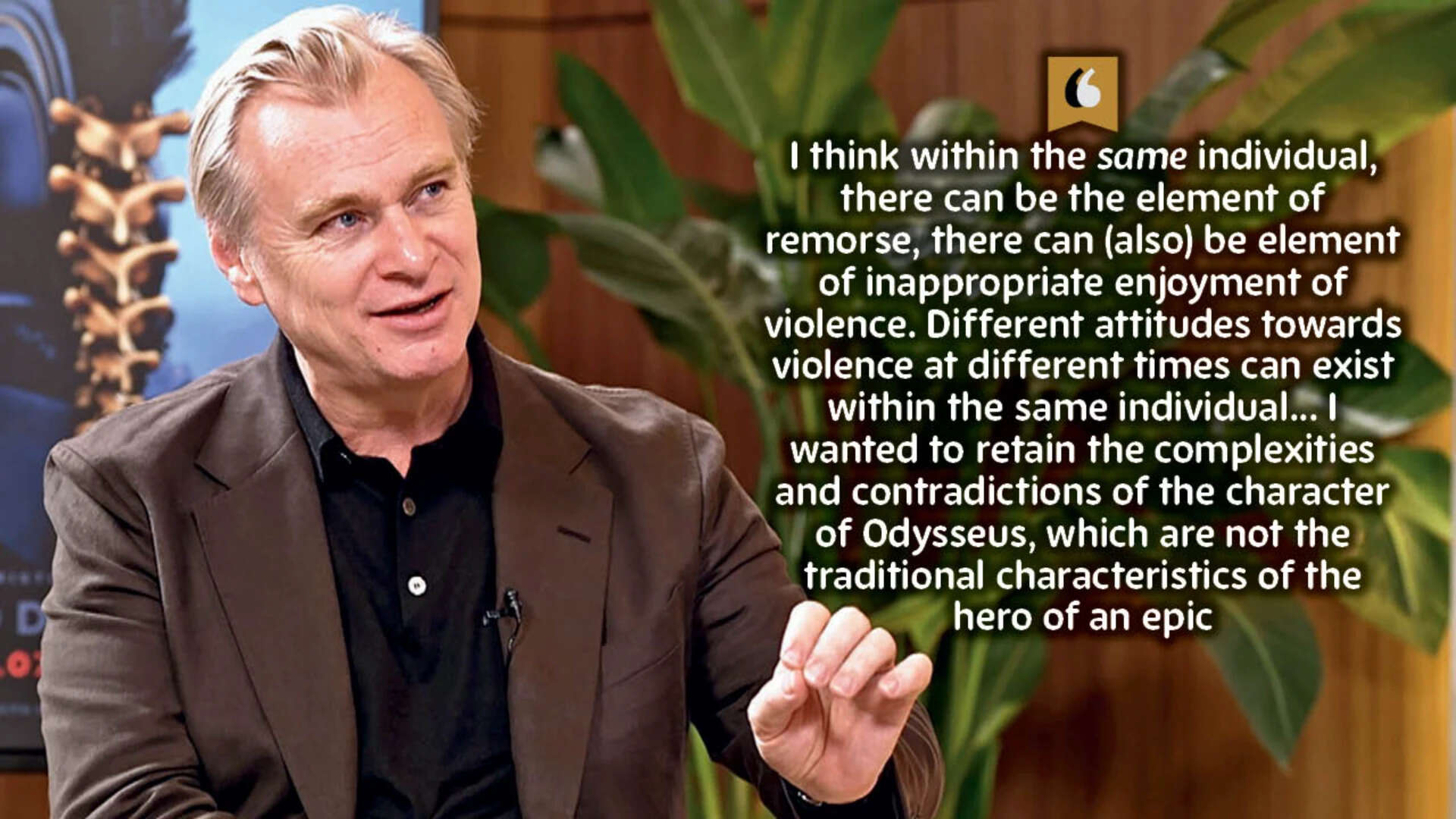
Is feeling sad after violence a sign of a changed spirit, in your opinion, as opposed to people who love it and enjoy it? I mean, I think – even more complicated than that – I think within the same person, there can be an element of sadness, there can (also) be an element of inappropriate violent joy. Different behaviors related to violence at different times can exist in the same person. And I think that’s one of the things we’re dealing with, with the character of Odysseus, for example. One of the reasons I wanted Matt Damon to play this part is that, Matt, I mean, he is a smart actor, it doesn’t, but for me, more than that, I wanted to keep the complexity and contradictions of the character of Odysseus, which is not traditional for an epic hero. And Matt can open that up to the audience and bring the audience in, so you can keep the contradictions and the challenges, but he can make you feel like you’re seeing the world through his eyes and you’re meeting him. And I think part of it is the idea of being grounded in a character’s perspective, and then having that problem, at least retroactively, looking back at things that you’ve already seen in the story, and maybe looking at it a little differently at the end of the film than we did at the beginning of the film. And that’s the kind of storytelling I really like.
Love and war, in particular, is a rich drama and has inspired literature for thousands of years: Nolan
You told me two things that really caught my attention. You talked about the epic from a time when people saw divinity in everything – thunder, water, everything came from the gods. And you said that many epics and modern stories stem from the desire for us to believe that gods can walk among us. And in this story you are talking about people who are people on earth but who are children of gods. These principles are well known in Indian mythology and culture; Mahabharata has many stories about that culture. So my question is, when making your film, the challenge or goal is often to make the characters as ‘human’ and relatable as possible. But when you are dealing with god, there is no template. How do you approach the character of a god or demigod? How do you shed tears? Well, for me, you know, the film has something contradictory in this sense, because I received interesting things about the story, the creatures, for example, the cyclops in the film, those things… It is a Greek concept called Xenia. In the movie, we call them the rule of Zeus, basically, and it’s the golden rule. It is an attitude that we should respect each other.
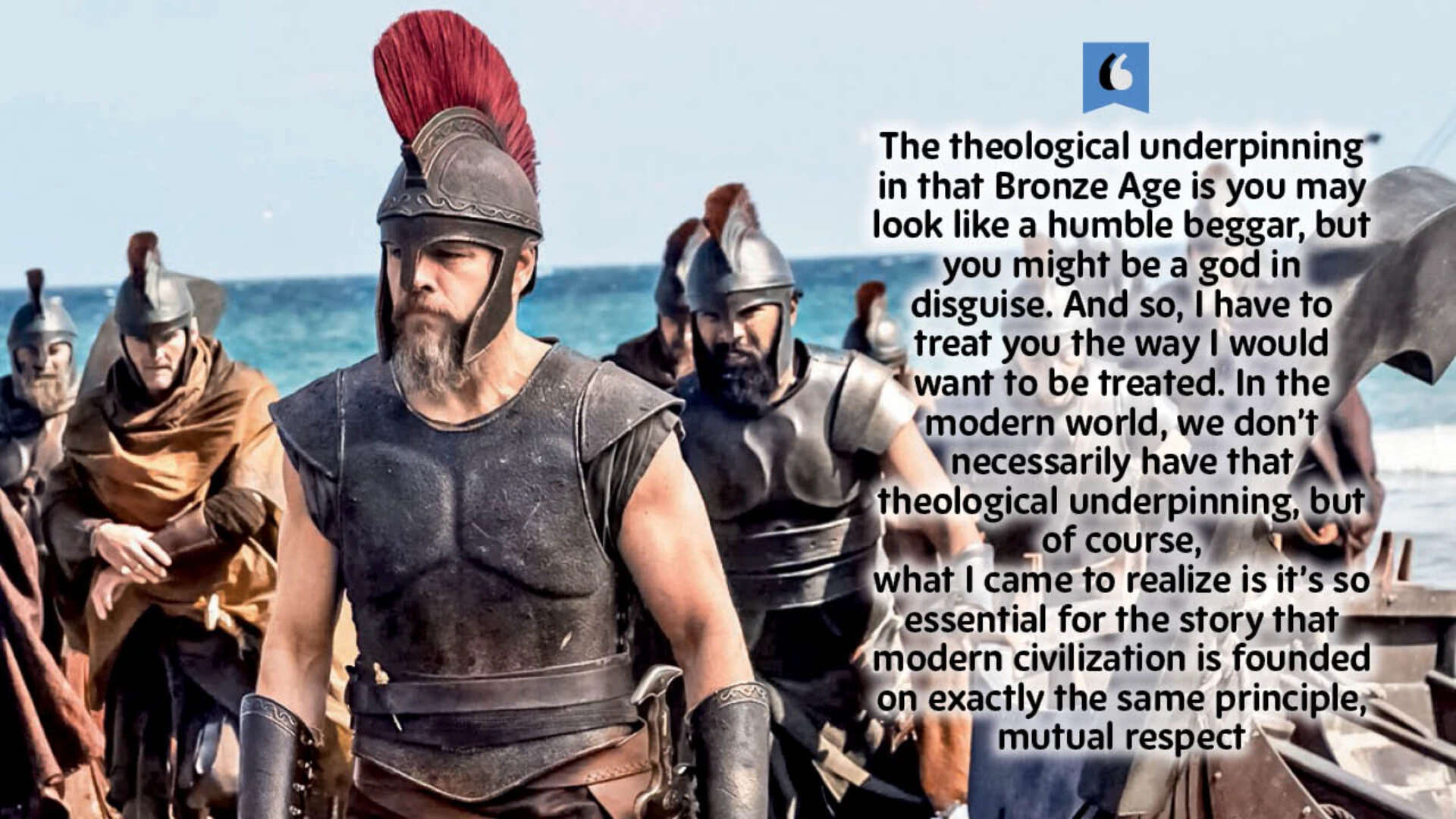
And the theology in that Bronze Age is that you can look like a humble beggar, but you can be a god in disguise. And so, I have to do to you as I want to be done to me. In today’s world, we should not have that theology, but of course, what I realized is very important in this case is that modern development is based on the same principle, mutual respect. But the fact that it is a powerful divine principle in the Bronze Age made me want to explain the gods in a way that the people would have met, through nature, through the testimony of the gods, that the sun rises in the morning, that the wind blows, that the waves come in. That is the testimony of the gods. And the people walking among them may be hidden gods. They may be seeing gods in people. And I wanted to keep that idea of the gods, in particular, instead of showing them as different, in their own world, on top of Mount Olympus or whatever, talking and so on, as sometimes has happened in old movies.
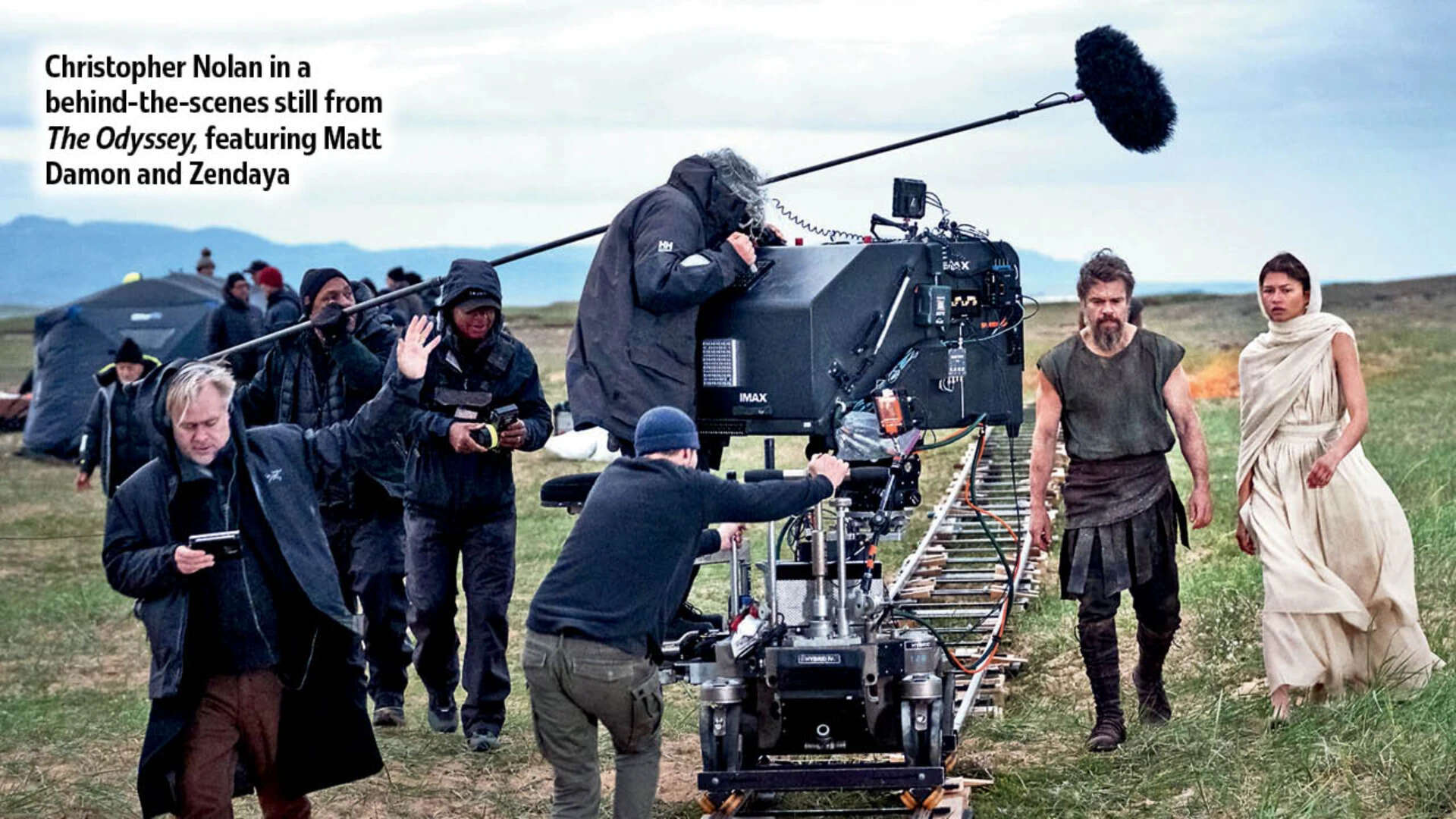
‘Matt can open up the audience and bring the audience in’
I really wanted to stay in the minds of the characters. I wanted to give, because I think that the idea of Xenia, the idea of the law of Zeus, at the end of the film, you realize its importance. And I felt like describing the gods in this way would make it more visible.Any Indian epic that will interest you tomorrow as a filmmaker, as a story?I mean, I always love any good story. And I know that Indian culture has great stories. But as for what attracts me to the project, I don’t know. I mean, there are parallels in the Odyssey and, as you say, with the Mahabharata. But of course I’m happy to do it in a fairy tale place, yes.What is the best work you have seen for Indian cinema, in any field, directing, acting, music? Is there anything holding you back? I mean, I came very late to Satyajit Ray, Pather Panchli. It’s a masterpiece. It’s as good a movie as I’ve ever seen. And I was, I didn’t realize, I think, how… He was an amazing artist.
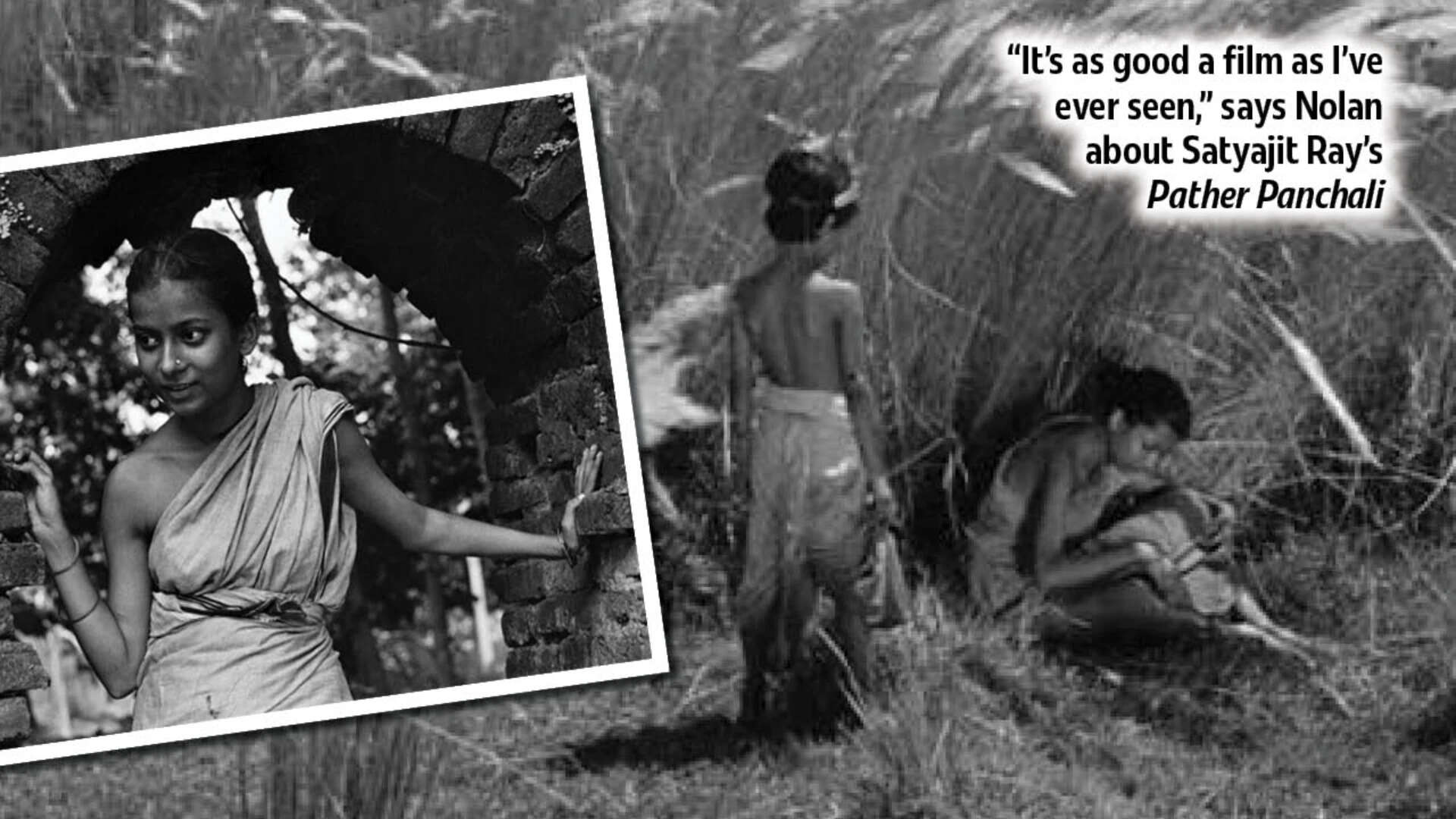
“It’s the best film I’ve ever seen,” Nolan says of Satyajit Ray’s Pather Panchali.
The moral environment that you wrote for the character of Matt Damon, as you described, you know, all the transitions between hard and soft, contradictory, full of contradictions – how is it different from your culture and your culture? (Pause) I think it’s a very difficult question for such an interview! (laughs) I mean, we’re all tough… we’re all tough the way Odysseus is tough… (but) I don’t think that’s a word that’s often used for Odysseus, I don’t think people would use it for me. And those words are wise. And, you know, it’s the idea of a manipulator or someone who’s always – they’re hiding their motives, and they have specific intentions. I don’t think, I don’t think I share this.
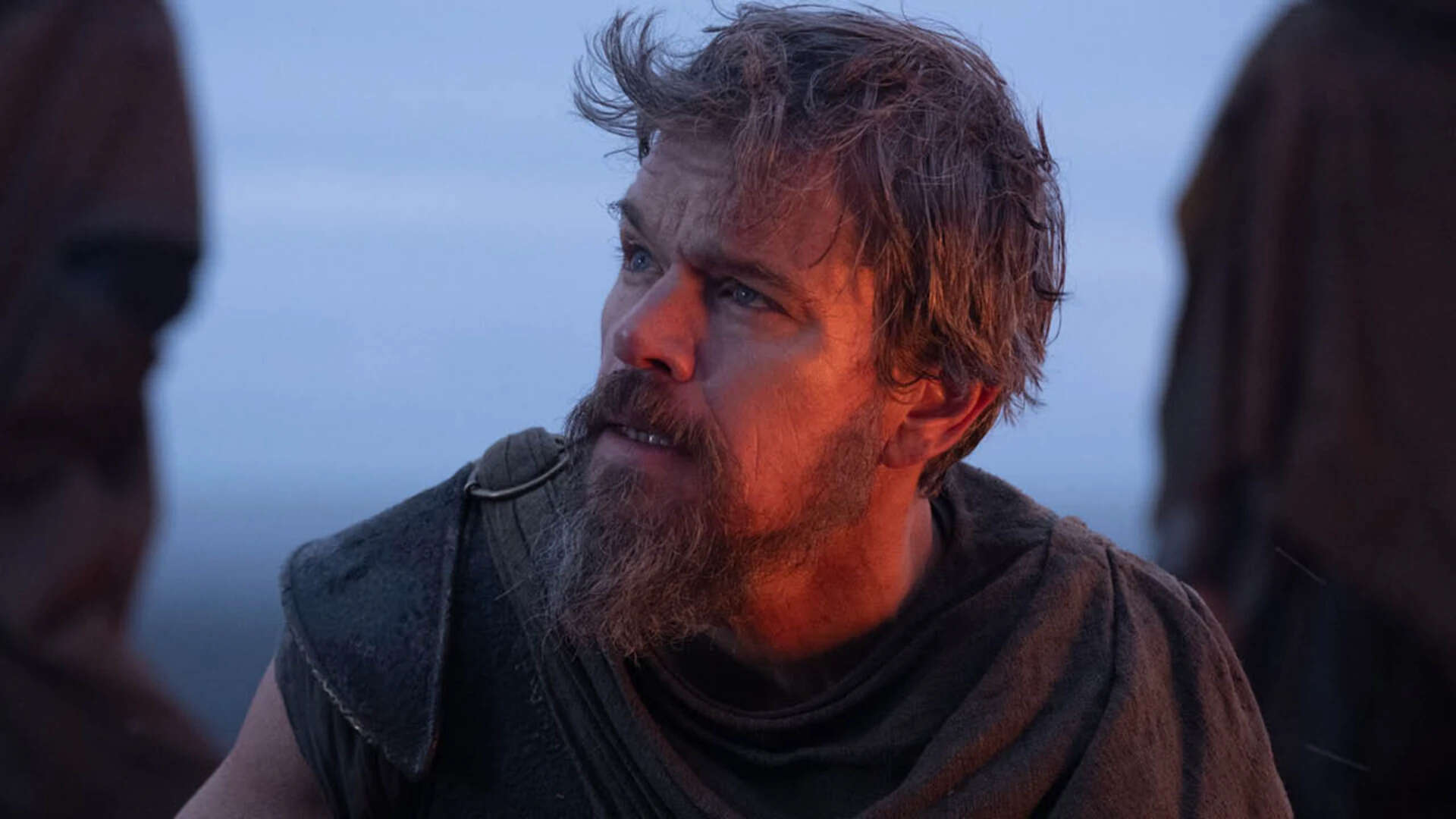
‘We are all as troubled as Odysseus is’
But even then, by the end of the story, you didn’t make him feel proud of that. You made him step back and wonder if it was the right thing to do. Well, maybe because that’s how I feel. This is… (laughs) Now I feel like I’m in the psychoanalyst’s chair!But he’s not a smart apologetic character, is he? You are talking about yourself. He is like someone who has been there and then is not proud of it. Yes, I think so. But I also think that, you see, he knows, somehow, the whole movie. But you still see him enjoying his intelligence and enjoying the way he does things. And so it’s something of a person who knows what they should be doing but maybe they’re not doing it. And, you know, we all share this. (And while we’re wrapping it up there, Nolan has a final laugh: ‘Those are tough questions!’)
































Post Comment