The Odyssey: The Laestrygonians in ‘The Odyssey’: How Christopher Nolan’s giants compare to Homer’s giants | English Movie News
Mythical creatures called Laestrygonians have been invading the imagination of Christopher Nolan’s ‘The Odyssey’. For viewers who are unfamiliar with these giants, they will ask where they came from in Greek Mythology, and how they differ from their depiction in ancient writings. The contrast between Homer’s original poem and Nolan’s modern interpretation shows the interesting choices made in adapting these familiar monsters to the visual world.According to Coming Soon Net reports, the Laestrygonians are considered to be a group of man-eating giants descended from Laestrygon, one of Poseidon’s sons. This lineage links them to the Cyclops through the god of the sea, establishing them as part of a larger family of monstrous creatures within Greek mythology. However, Nolan’s film shares much of the origin of these creatures, while Homer’s poem provides a detailed account of their true nature and behavior.
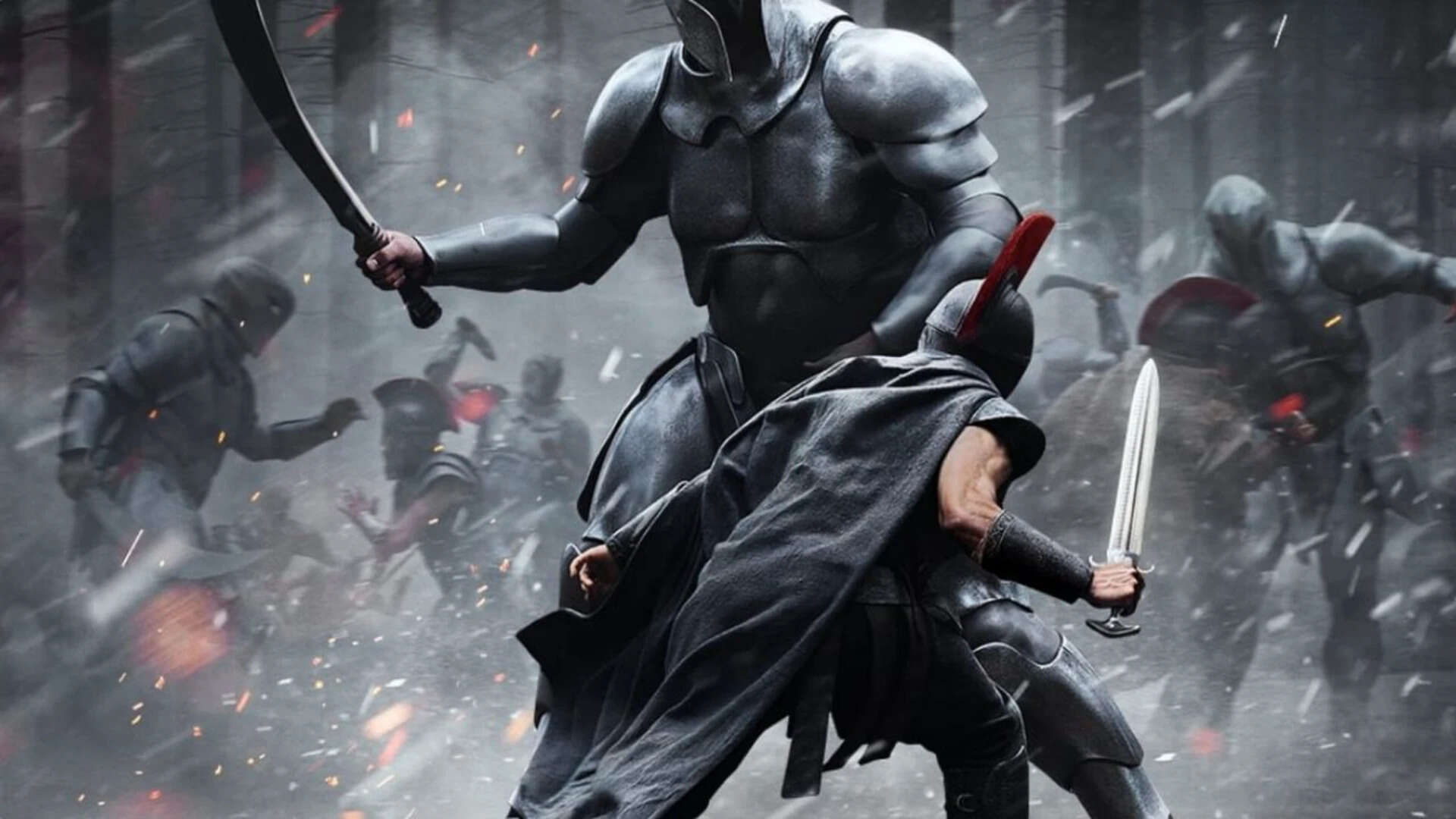
While Homer’s poem describes the Laestrygonians as mountain-dwelling cannibals, the film portrays them as fierce humanoid warriors. Image credit (Instagram)
Laestrygonians in Homer’s poem versus Christopher Nolan’s film
In Nolan’s film, the giants appear as tall, heavily armored warriors who can fight Odysseus and his crew. However, sources in Homer’s book describe them as “as big as a mountain,” portraying them as creatures of great fear and incomprehensibility. This shows that Nolan took some creative liberties with reimagining the modern day characters, reducing their size and making them look like humanoid warriors instead of mysterious titans.The creatures lived in a city called Telepylos, ruled by King Antiphates. In Homer’s original story, the Laestrygonians are portrayed as a monstrous group, but Nolan’s adaptation gives them a more realistic appearance. This creative choice allowed the filmmaker to create a more traditional fighting style while still maintaining the threat and danger that these giants brought to Odysseus and his men.
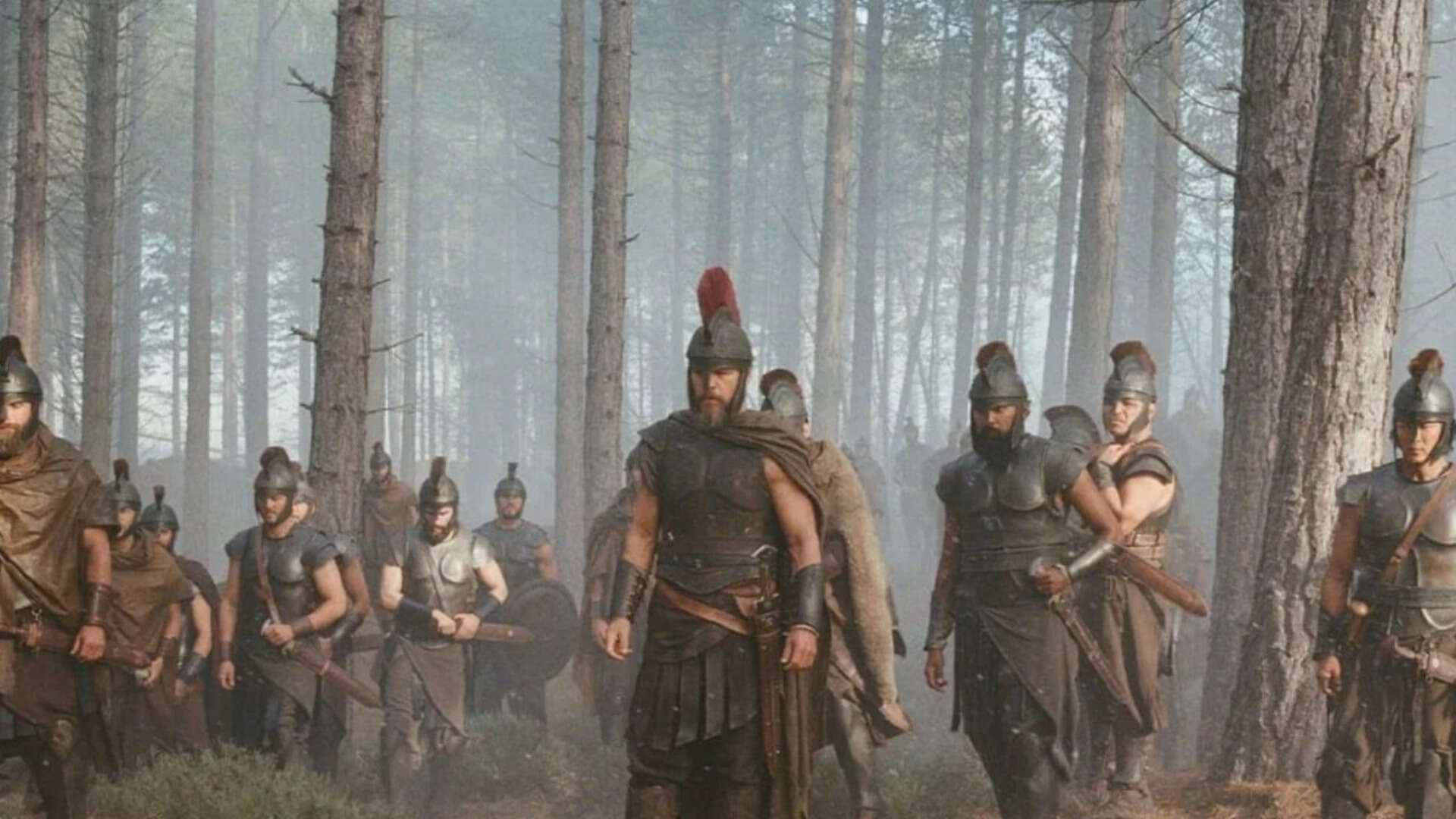
The giants are destroying Odysseus’ ships, leaving only one ship to continue the dangerous journey. Photo credit (Instagram)
A meeting between Odysseus’ crew and the LaestrygoniansThe confrontation between Odysseus and his crew and the Laestrygonians takes place after he has already escaped from the Cyclops and before he meets the witch Circe. They reach the shore after a difficult journey cursed by Poseidon. While exploring the forest, he met a laughing child who did not look good, because he was armed and looked bigger than a normal person.When he saw the strange child, Eurylochus began to wonder what his parents would be like if their children were this big. The child immediately called his parents, which led to a fierce fight. The giants attack Odysseus’ men before driving them back to their ships. They destroyed two ships, leaving only one ship for Odysseus to continue his journey home.


























Post Comment